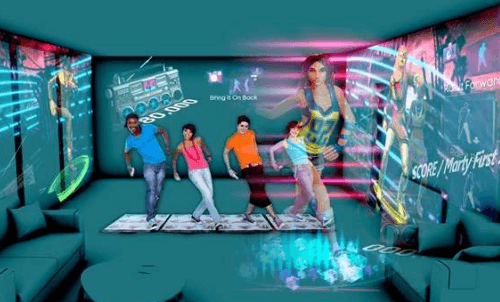

Immersive gaming systems integrate hardware, software, and sensory modalities into cohesive experiences. They depend on modular interoperability, low latency, and standardized interfaces to tailor perception without compromising safety or performance. By aligning visual, auditory, tactile, and vestibular cues through coordinated mappings, they seek real-world presence. The balance of ethics, accessibility, and scalable ecosystems shapes narrative, social play, and modular storytelling. The framework invites scrutiny of implementation details as the field evolves and challenges persist.
What Are Immersive Gaming Systems?
Immersive gaming systems are integrated platforms that blend hardware, software, and sensory feedback to create a perceived, interactive environment distinct from traditional displays.
They are evaluated through an immersive rating framework and optimized via accessibility design. This assessment emphasizes modular interoperability, latency minimization, and standardized interfaces, enabling developers to tailor experiences while preserving measurable performance, safety, and user autonomy across diverse perceptual requirements.
How Do They Create Real-World Presence?
Real-world presence in immersive gaming systems emerges from the synchronization of sensory modalities with precise temporal and spatial cues. Systems achieve this through coordinated neural mapping, aligning tactile, vestibular, visual, and auditory stimuli to preserve immersion fidelity. Analytical assessment highlights neural mapping as foundational; ethical implications arise regarding consent, data use, and long-term cognitive effects, warranting rigorous governance and transparent design choices.
Comparing Core Immersion Technologies (VR, AR, Haptics, Audio)
When assessing VR, AR, haptics, and audio as core immersion technologies, the comparison centers on how each modality encodes sensory data, governs user agency, and scales spatial-temporal fidelity.
VR ecosystems integrate immersive loops, while haptic feedback anchors proprioception; AR augments context without full immersion. The analysis emphasizes data encoding precision, latency management, and cross-modal coherence for reliable experiential fidelity.
The Future of Immersive Storytelling and Social Play
What narrative futures await when immersive storytelling and social play converge, and how will these modalities evolve to sustain engagement across increasingly distributed audiences?
The future emphasizes scalable world building and calibrated playeragency within interoperable ecosystems, enabling modular narratives and persistent social spaces.
Rigorous metrics will measure engagement, latency, and narrative coherence, ensuring technical fidelity while preserving freedom to explore, create, and influence outcomes.
See also: piggynews
Frequently Asked Questions
How Do I Choose the Right System for My Budget?
A rigorous, analytical approach shows budgeting hinges on feature trade-offs and total cost of ownership. Immersive budgeting prioritizes essential peripherals; system comparison clarifies performance per dollar, ensuring the chosen setup aligns with freedom-focused priorities and long-term value.
Are There Health Risks Associated With Prolonged Use?
Health risks arise with prolonged use, though not universally. The analysis notes ergonomic strain, visual fatigue, and potential sleep disruption, yet outcomes vary; prolonged use does not imply universal harm, demanding individualized risk assessment and mitigations.
What Are the Best Setup Requirements for Small Spaces?
The best setup for small spaces prioritizes compact storage, room scale, wireless ergonomics, cable management, affordable setups, motion tracking, visual fidelity, haptic feedback, audio immersion, and brain computer links, with scalable room constraints and robust, flexible layouts.
Can Immersive Tech Affect Real-World Productivity or Sleep?
“Time heals all wounds.” Immersive tech productivity can improve focus yet monitor fatigue and circadian disruption, with mixed evidence. Sleep impact varies; immersive tech productivity effects depend on usage patterns, timing, and latency to real-world tasks in freedom-seeking environments.
Which Genres Benefit Most From Immersive Gaming Features?
Genres benefiting from immersion include action-adventure and simulation, with nuanced trade-offs between haptic feedback vs. visual fidelity. The analysis indicates these genres gain from embodied interactivity, though diminishing returns emerge beyond certain fidelity thresholds for freedom-minded audiences.
Conclusion
In the quiet hum of interlocking systems, the line between simulation and presence narrows with every latency-optimized link. Data flows knit perception to action, yet the user remains a measured variable within governance, safety, and ethics. As interfaces converge—visuals, touch, sound, movement—the true test becomes not realism alone, but responsible immersion: preserving autonomy, ensuring accessibility, and revealing the narrative’s consequences. The future hinges on disciplined interoperability that rewards scrutiny as much as sensation.
